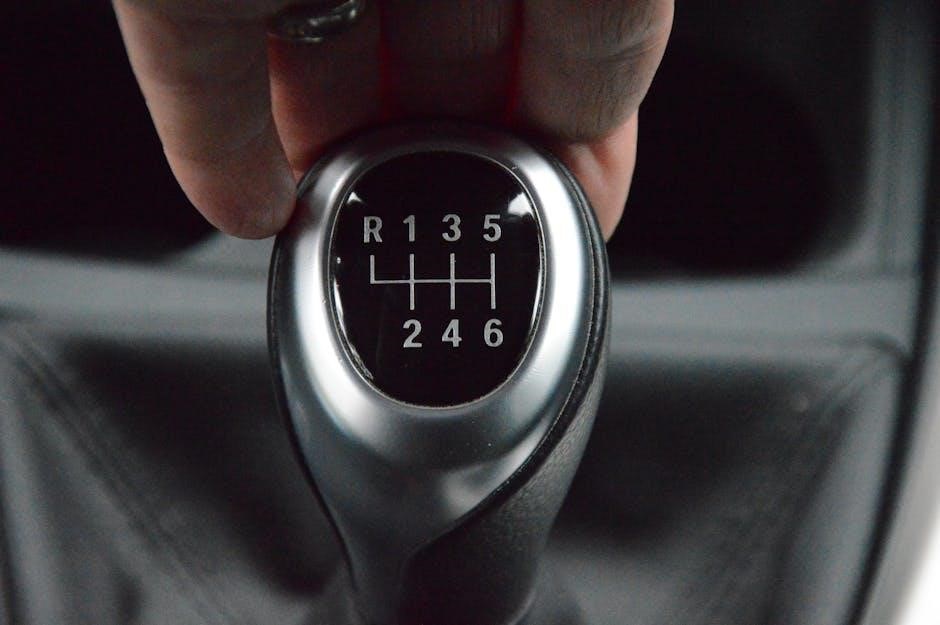
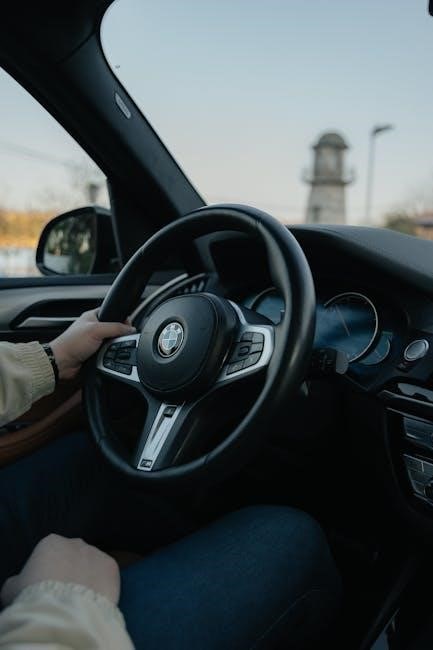
Learning to drive a manual transmission offers a unique connection with the vehicle, providing a rewarding and engaging experience for drivers of all ages.
Despite the rise of automatics, mastering a manual remains a valuable skill, offering greater control and a deeper understanding of automotive mechanics, plus it’s fun!
Why Choose a Manual Transmission?
Choosing a manual transmission connects you more intimately with the driving experience, demanding active participation and fostering a deeper understanding of vehicle mechanics. It’s a skill that, while becoming rarer, remains incredibly rewarding. Beyond the engaging feel, manuals often offer better fuel efficiency and, historically, lower purchase prices.
For enthusiasts, the control and involvement are paramount, allowing for precise gear selection and a more dynamic drive. Learning manual can also be a practical skill, proving useful in various situations where an automatic isn’t available. It’s a labor of love, offering a unique sense of accomplishment and driving pleasure that automatics simply can’t replicate.
The Declining Availability of Manual Cars
Sadly, the manual transmission is becoming increasingly scarce in new vehicles, a consequence of shifting driving culture and consumer preferences. While unlikely to disappear entirely, its presence is dwindling as manufacturers prioritize automatic transmissions due to their convenience and perceived ease of use. This trend reflects changing driving habits and a broader move towards automated technologies.
However, a dedicated enthusiast base continues to champion the manual, ensuring its survival in select sports cars and performance models. This niche appeal keeps the option alive, but finding a new car with a stick shift requires increasingly focused searching, making learning on an older model a viable path.

Best Cars for Learning Manual — Budget Friendly Options
Older Honda Civics, Mazda3s, Toyota Corollas, and Volkswagen Golfs offer affordability, reliability, and forgiving manual transmissions – ideal for new drivers.
Honda Civic (Older Generations)
Older Honda Civics, particularly those from the late 90s and early 2000s, consistently rank as excellent choices for learning manual. Their reputation for bulletproof reliability means lower repair costs, a crucial factor when you’re still mastering clutch control and potentially experiencing stalls. The Civic’s shifter is known for its precise and forgiving feel, making it easier to find gears smoothly.
Furthermore, parts are readily available and inexpensive, and the Civic’s relatively lightweight chassis contributes to a more manageable driving experience. These generations offer a good balance of affordability and usability, making them a practical and sensible option for aspiring manual drivers.
Mazda3 (Older Generations)
Similar to the Honda Civic, older Mazda3 models (specifically the first and second generations) present a fantastic learning platform for aspiring manual drivers. They boast a responsive and engaging driving experience, coupled with a reputation for reliability that keeps ownership costs down. The Mazda3’s shifter is often praised for its short throws and positive feedback, aiding in precise gear selection.
These models are generally affordable to purchase, and their relatively simple mechanicals make them easier to maintain. The Mazda3 strikes a nice balance between fun-to-drive dynamics and practicality, making it an ideal choice for building confidence with a manual transmission.
Toyota Corolla (Older Generations)
For those prioritizing reliability and affordability, older Toyota Corolla models – think the late 90s and early 2000s – are excellent candidates for learning manual. Corollas are renowned for their bulletproof dependability, meaning less time spent worrying about repairs and more time perfecting your shifting technique. The clutch pedal is typically light and forgiving, easing the learning curve for new drivers.
While not the most exciting car to drive, the Corolla’s predictability and ease of use make it a safe and practical choice. Parts are readily available and inexpensive, further reducing the cost of ownership during the learning process.
Volkswagen Golf (Mk4/Mk5)
The Volkswagen Golf, particularly the Mk4 and Mk5 generations, presents a slightly more refined learning experience. These models offer a good balance between driver engagement and everyday usability. The Golf’s shifter has a precise and satisfying feel, encouraging proper gear selection. While the clutch might be a touch heavier than a Corolla’s, it’s still manageable for beginners.
Golfs are generally well-built and offer a comfortable interior. Parts availability is decent, though potentially slightly more expensive than Toyota. They provide a solid platform for developing manual driving skills without being overly intimidating.
Best Cars for Learning Manual ⸺ Modern & Accessible
Modern options, though dwindling, still exist! These cars blend contemporary features with the engaging experience of a manual transmission, offering a smoother learning curve.
Mazda MX-5 Miata
The Mazda MX-5 Miata consistently appears on lists of excellent cars for learning manual, and for very good reason. Its lightweight design and responsive steering create a wonderfully balanced driving experience, making it incredibly forgiving for new drivers. The clutch is generally considered light and easy to modulate, crucial for mastering the coordination required for smooth shifts;
Furthermore, the Miata’s relatively short throw shifter provides precise gear changes, enhancing the learning process. It’s a fun, engaging car that encourages drivers to actively participate in the driving experience, rather than relying on automation. Plus, its smaller size makes maneuvering and parking less daunting for beginners.
Hyundai Elantra GT (Manual Option)
The Hyundai Elantra GT, particularly older generations offering a manual transmission, presents a practical and affordable option for aspiring manual drivers. It strikes a good balance between everyday usability and driver engagement, making it suitable for daily commutes and learning alike. The clutch isn’t overly heavy, allowing for easier operation during the initial learning phase.
Its gear ratios are generally well-spaced, promoting smooth transitions between gears. Importantly, parts and repairs for the Elantra GT are typically reasonably priced, minimizing the financial burden if any issues arise during the learning process. It’s a sensible choice for those seeking a reliable and accessible learning vehicle.
Volkswagen Jetta (Manual Option)
The Volkswagen Jetta, especially models from the early 2010s with a manual transmission, is frequently recommended as an excellent learning car. It offers a refined driving experience coupled with a relatively forgiving manual gearbox, making it easier for beginners to grasp the fundamentals of stick-shift driving. The Jetta’s clutch pedal isn’t excessively stiff, aiding in smoother engagement.
Furthermore, the Jetta boasts predictable gear ratios and decent visibility, contributing to a more confident learning curve. Parts availability and repair costs are generally reasonable, providing peace of mind for new drivers. It’s a well-rounded option blending practicality and driving enjoyment.
Subaru Impreza (Manual Option)
The Subaru Impreza, particularly older generations offering a manual transmission, presents a compelling option for aspiring manual drivers. Known for its standard all-wheel drive, it provides added confidence in various weather conditions, beneficial for practicing hill starts and clutch control on diverse surfaces. The Impreza’s gearbox is generally considered user-friendly, with a clear gate and manageable clutch feel.
While potentially slightly more expensive to maintain than some competitors, the Impreza’s reliability and engaging driving dynamics make it a worthwhile consideration. It’s a practical and capable car that fosters a strong connection between driver and machine.
Key Features to Look for in a Learning Car
Prioritize vehicles with a light clutch, predictable gear ratios, excellent visibility, and affordable repair costs to ease the learning curve and minimize frustration.
Light Clutch Pedal
A light clutch pedal is arguably the most crucial feature for a beginner learning manual. Excessive force required to depress the clutch quickly leads to fatigue, making it harder to concentrate on coordinating with the gas and shifter.
A lighter pedal allows for quicker, more precise movements, fostering a better feel for the friction zone. This reduces the likelihood of stalling and promotes smoother gear changes. Cars with heavier clutches demand more physical strength, potentially hindering the learning process and discouraging new drivers. Finding a vehicle where the clutch feels responsive, yet doesn’t require significant effort, is paramount for a positive initial experience.
Predictable Gear Ratios
When learning manual, predictable gear ratios are incredibly beneficial. Avoid cars with exceptionally wide or closely spaced gear ratios, as these can make smooth transitions challenging for novices. A more traditional gear layout, where each gear feels distinctly different in terms of engine speed and vehicle acceleration, provides clearer feedback.
This predictability allows new drivers to anticipate the appropriate gear for various speeds and situations, reducing confusion and promoting confidence. Consistent ratios help build muscle memory and a better understanding of how the engine and transmission interact, ultimately accelerating the learning curve.
Good Visibility
Excellent visibility is a crucial, often overlooked, factor when selecting a car to learn manual. A clear view of the road ahead, coupled with minimal blind spots, reduces stress and allows the new driver to focus on coordinating clutch and shifter movements. Cars with large windows and relatively thin pillars are ideal.
Being able to easily see surrounding traffic and potential hazards builds confidence and allows for quicker, more informed decisions. This is especially important during the initial learning phase when concentration is divided between multiple tasks. Good visibility contributes to a safer and more relaxed learning experience.
Affordable Repair Costs
When learning manual, mistakes happen – clutch wear, occasional transmission issues, and general maintenance are more likely. Therefore, choosing a car with affordable repair costs is incredibly practical. Opting for a vehicle from a mainstream brand, with readily available parts, significantly reduces potential expenses.
Avoid exotic or luxury models where specialized parts and labor can quickly escalate repair bills. A car with a simple mechanical layout is also beneficial, making DIY repairs more feasible for those inclined. Prioritizing affordability minimizes financial stress during the learning process.
Common Challenges for New Manual Drivers
New manual drivers often struggle with stalling, hill starts, smooth shifting, and finding the friction point – practice and patience are key to overcoming these hurdles.
Stalling
Stalling is arguably the most common frustration for new manual drivers, often occurring when the clutch and throttle aren’t coordinated effectively. It happens when the engine doesn’t receive enough fuel and air to continue running, typically during gear changes or when starting from a stop.
Don’t be discouraged! Every manual driver stalls at some point. The key is to quickly learn to react – depress the clutch fully, and restart the engine. Consistent practice in a safe, open area will build muscle memory and improve coordination, reducing the frequency of stalls significantly. Remember, it’s a learning process!
Hill Starts
Hill starts present a unique challenge for novice manual drivers, requiring a delicate balance of clutch control, throttle application, and often, the use of the handbrake. The fear of rolling backward is common, leading to hesitation and, inevitably, more stalling.
Mastering hill starts involves smoothly transitioning from the brake to the gas while preventing rollback. Utilizing the handbrake to hold the car stationary during this transition is highly recommended for beginners. As confidence grows, explore more advanced techniques, but prioritize safety and smooth execution.
Smooth Shifting
Achieving smooth gear changes is central to enjoying a manual transmission and avoiding jerky movements. This requires coordinating the clutch pedal, shifter, and throttle. The goal is to minimize disruption to the vehicle’s momentum during each shift.
Focus on releasing the clutch gradually while simultaneously applying throttle. Avoid “dumping” the clutch, which causes abrupt engagement. Practice matching engine speed to road speed for each gear, listening to the engine’s response. Smooth shifting takes time and patience, but it dramatically improves the driving experience.
Finding the Friction Point
Locating the friction point – where the clutch begins to engage the engine – is fundamental to driving a manual. Slowly release the clutch pedal until you feel the engine begin to pull slightly, and the car wants to move forward.
This is the friction zone. Holding the clutch at this point, while gently applying throttle, allows for controlled starts and smooth gear changes. Practice finding this point repeatedly; it’s different for each car. Mastering the friction point minimizes stalling and maximizes control, building confidence behind the wheel.

Tips for Mastering the Manual Transmission
Consistent practice in a safe environment, focused clutch control, and attentive listening to the engine’s feedback are key to quickly mastering manual driving.
Practice in a Safe, Open Area
Initially, finding a spacious, low-traffic location is paramount for building confidence with a manual transmission. Empty parking lots or quiet industrial areas on weekends provide ideal environments to practice without the pressure of other vehicles.
Focus on getting comfortable with the clutch engagement and gear changes before venturing onto busier roads. Repeatedly practice starting, stopping, and shifting through all gears, concentrating on smooth transitions and avoiding stalls. This foundational practice builds muscle memory and reduces anxiety when encountering real-world driving scenarios. Remember, patience is crucial during this learning phase!
Focus on Clutch Control
Mastering the clutch is the cornerstone of driving a manual transmission. It requires developing a sensitive feel for the friction point – the point where the engine begins to engage the wheels. Practice slowly releasing the clutch while gently applying throttle to avoid stalling or jerky movements.
Concentrate on coordinating your foot movements, aiming for a smooth and seamless connection between the engine and transmission. Consistent practice will build muscle memory, allowing for intuitive clutch operation and ultimately, a more enjoyable driving experience. Don’t rush the process; slow and steady wins!
Listen to the Engine
Your ears are a crucial tool when learning manual. Pay close attention to the engine’s sound; it provides vital feedback about your gear selection and clutch engagement. A high-pitched whine indicates it’s time to shift up, while a lugging sound signals a downshift is needed.
Learn to recognize the engine’s sweet spot – the RPM range where it operates most efficiently. This auditory awareness will help you anticipate shifts, maintain momentum, and avoid unnecessary strain on the engine. Developing this skill enhances smoothness and control, making driving more intuitive.
Be Patient with Yourself
Mastering a manual transmission takes time and practice; frustration is normal. Don’t get discouraged by stalls or jerky shifts – they are part of the learning process. Remember that even experienced drivers stalled when they were beginners.
Celebrate small victories, like smooth starts or clean gear changes. Focus on consistent improvement rather than immediate perfection. Approach each driving session with a positive attitude and a willingness to learn from your mistakes. Patience is key to building confidence and developing muscle memory.
The Importance of Clutch Control
Clutch control is paramount for smooth operation; understanding the friction zone prevents stalling and facilitates seamless gear changes, enhancing the driving experience.
Understanding the Friction Zone
The friction zone represents the sweet spot where the engine begins to connect with the transmission, initiating movement. It’s not a fixed point, but rather a range where the clutch plates are partially engaged. Recognizing this zone is crucial for preventing stalls and achieving smooth starts.
Beginners often struggle to find it, leading to jerky movements or complete stops. Practice slowly releasing the clutch until you feel the engine note change and the car begins to creep forward – that’s the friction zone! Mastering this feel allows for controlled launches and effortless gear transitions, building confidence behind the wheel.
Avoiding Clutch Slipping
Clutch slipping occurs when the clutch isn’t fully engaged, causing the engine to rev higher than the vehicle’s speed; This generates heat and prematurely wears down the clutch disc. It’s often a result of releasing the clutch too quickly or applying insufficient pressure on the gas pedal.
To avoid slipping, ensure a smooth, coordinated release of the clutch while simultaneously applying gentle acceleration. Listen to the engine; a high-pitched whine indicates slipping. Prolonged slipping drastically reduces clutch life and can lead to costly repairs, so mindful operation is key.
Smooth Engagement and Disengagement
Achieving smooth clutch engagement and disengagement is fundamental to mastering a manual transmission. It requires precise coordination between the clutch pedal and the throttle. A jerky release leads to stalling or lurching, while a slow release causes unnecessary wear.
Practice finding the friction point – where the engine begins to engage – and gradually release the clutch while gently applying gas. Aim for a seamless transition, avoiding abrupt movements. Smoothness translates to a comfortable ride and extends the life of your clutch components, enhancing the driving experience.

Hill Start Techniques
Conquering hills with a manual requires coordination; utilize the handbrake or the heel-toe method to prevent rollback and ensure a smooth, confident ascent.
Using the Handbrake
For novice manual drivers, the handbrake is an invaluable tool when facing hill starts. Engage the handbrake firmly to prevent the car from rolling backward while you coordinate the clutch and gas. Slowly release the handbrake as you find the friction point and gently apply pressure to the accelerator.
This technique provides a safety net, allowing you to focus on the delicate balance between clutch engagement and throttle control without the immediate fear of rolling back. It builds confidence and allows for smoother, less stressful hill starts, especially when first learning the nuances of a manual transmission.
The “Heel-Toe” Method (Advanced)
The “heel-toe” technique is a more advanced skill for smoother downshifts, particularly beneficial for spirited driving. It involves simultaneously braking with the ball of your foot and “blipping” the throttle with your heel. This matches engine speed to wheel speed during downshifts, reducing jerkiness and maintaining vehicle stability.
While not essential for learning, mastering heel-toe demonstrates a refined understanding of manual transmission control. It’s a technique best practiced after becoming comfortable with basic clutch and throttle coordination, and requires significant practice to execute effectively and consistently.
Maintaining a Manual Transmission Vehicle
Regular inspection of the clutch, fluid checks, and shifter linkage upkeep are crucial for longevity and optimal performance of your manual transmission vehicle.
Regular Clutch Inspection
Consistent clutch inspection is paramount for a healthy manual transmission. Look for signs of wear, such as a soft or spongy pedal feel, indicating potential hydraulic issues or a worn master/slave cylinder. Examine the clutch disc itself during servicing – excessive glazing, cracking, or rivet wear signals impending failure.
Pay attention to unusual noises during engagement or disengagement; these could point to a failing throw-out bearing. A slipping clutch, evidenced by engine revving without proportional speed increase, demands immediate attention. Proactive inspection prevents costly repairs and ensures smooth, reliable operation, extending the life of your transmission.
Transmission Fluid Changes
Regular transmission fluid changes are crucial for maintaining a manual gearbox’s longevity. While often overlooked, fluid lubricates gears, synchronizers, and bearings, reducing friction and wear. Follow the manufacturer’s recommended service intervals, typically ranging from 30,000 to 60,000 miles, or more frequently under severe driving conditions;
Use the correct fluid type specified in your vehicle’s owner’s manual; incorrect fluid can cause damage. Inspect the fluid for contamination – metallic particles indicate internal wear. A fluid change restores optimal performance, ensuring smooth shifting and preventing costly repairs down the line, preserving the driving experience.
Shifter Linkage Maintenance
Maintaining the shifter linkage is vital for precise gear selection in a manual transmission vehicle. Over time, bushings and joints can wear, leading to sloppy shifting and imprecise engagement. Regularly inspect the linkage for play or looseness, and lubricate pivot points with appropriate grease.
Worn components should be replaced promptly to restore crisp, accurate shifting. Addressing linkage issues enhances the driving experience and prevents potential damage to the transmission. Proper maintenance ensures a direct connection between driver input and gear changes, contributing to a more enjoyable and reliable driving experience.
The Future of Manual Transmissions
Though declining, manual transmissions retain a niche appeal, fueled by enthusiast demand and offering a uniquely engaging driving experience for purists.
Niche Appeal and Enthusiast Demand
Despite the automotive industry’s shift towards automatic transmissions, a dedicated community continues to champion the manual gearbox, valuing the heightened driver involvement and sense of control it provides. This isn’t simply nostalgia; it’s a genuine preference for a more connected driving experience.
Manufacturers recognize this enduring demand, continuing to offer manuals in select models, particularly sports cars and performance vehicles, catering to enthusiasts who actively seek this option. This sustained, albeit smaller, market ensures the manual transmission won’t disappear entirely, preserving a vital part of driving culture.
Potential for a Resurgence
While currently a niche market, factors suggest a potential resurgence in manual transmission popularity. A growing desire for simpler, more engaging driving experiences, coupled with concerns about the complexity and cost of modern automatic systems, could drive renewed interest.
Furthermore, the increasing focus on driver involvement and the “analog” feel of cars among younger generations might spark a revival. Automakers could capitalize on this trend by offering manuals in more mainstream models, appealing to a broader audience seeking a more visceral connection with their vehicles.